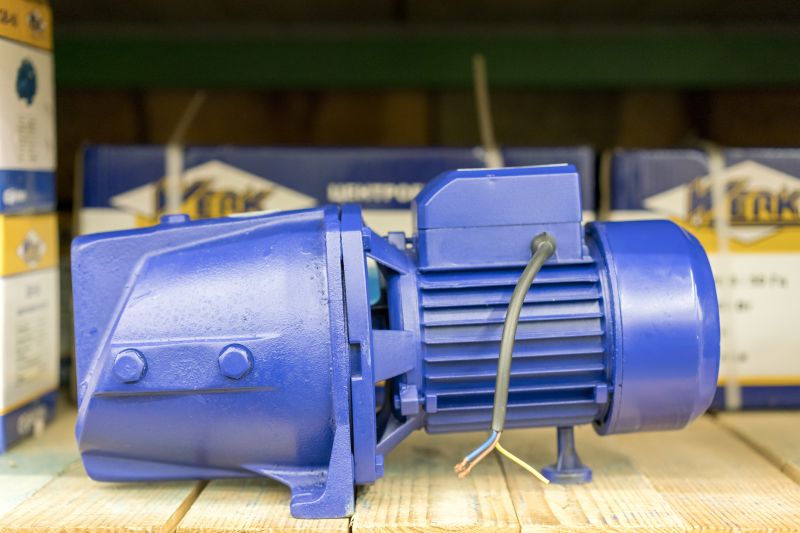
Ejector Pump Installation in Boston, MA
Ejector pump installation services provide a practical solution for homeowners facing challenges with basement or crawl space plumbing, especially when existing plumbing systems cannot efficiently drain wastewater from lower levels of the property. These systems are designed to move sewage or greywater from below-grade fixtures to the main sewer line, making them essential for renovations, new construction, or addressing drainage issues in homes with finished basements. Property owners typically want to understand the basic function of ejector pumps, the types of projects they are suitable for, and the key considerations for proper installation to ensure reliable operation.
Before requesting ejector pump installation, homeowners should consider the location where the pump will be installed, the capacity needed for their household, and whether existing plumbing can support the new system. It’s also important to understand the maintenance requirements and the importance of proper sizing to prevent backups or overflows. Clear communication about the specific plumbing layout and the intended use helps ensure the system is correctly configured for long-term performance and compliance with local building codes.
Many property owners in Boston, MA look into Ejector Pump Installation for repairs, replacements, upgrades, and appearance-related improvements.
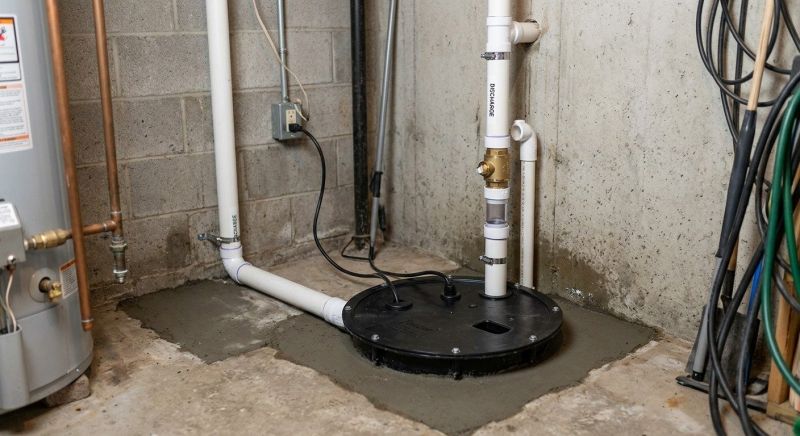
Ejector Pump System Basics
Ejector pumps are essential for removing wastewater from below-grade bathrooms and laundry rooms in boston homes.
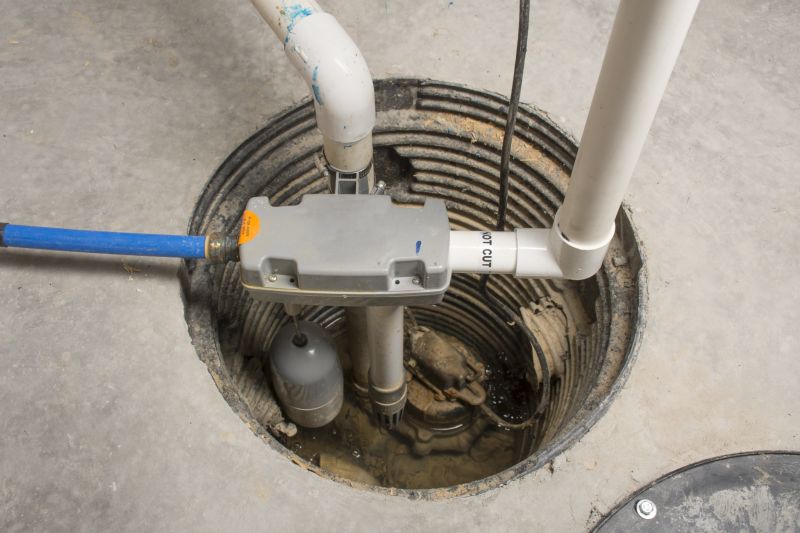
Installation Considerations
Proper installation ensures reliable operation and prevents basement flooding in properties with complex plumbing setups.
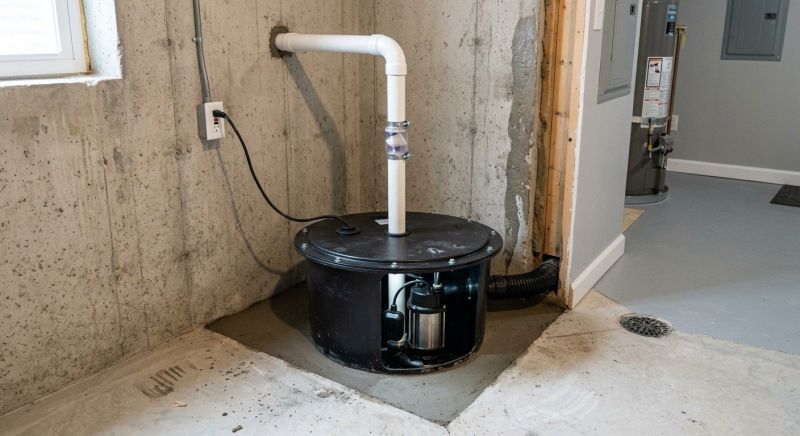
Maintenance And Troubleshooting
Regular checks help maintain efficient performance and address common issues like clogs or pump failure promptly.
Ejector Pump Installation in Boston, MA

Ejector pump installation services provide a practical solution for homeowners facing challenges with basement or crawl space plumbing, especially when existing plumbing systems cannot efficiently drain wastewater from lower levels of the property. These systems are designed to move sewage or greywater from below-grade fixtures to the main sewer line, making them essential for renovations, new construction, or addressing drainage issues in homes with finished basements. Property owners typically want to understand the basic function of ejector pumps, the types of projects they are suitable for, and the key considerations for proper installation to ensure reliable operation.
Before requesting ejector pump installation, homeowners should consider the location where the pump will be installed, the capacity needed for their household, and whether existing plumbing can support the new system. It’s also important to understand the maintenance requirements and the importance of proper sizing to prevent backups or overflows. Clear communication about the specific plumbing layout and the intended use helps ensure the system is correctly configured for long-term performance and compliance with local building codes.
Many property owners in Boston, MA look into Ejector Pump Installation for repairs, replacements, upgrades, and appearance-related improvements.
Common Ejector Pump Installation Jobs
Ejector Pump Installation - services help prevent basement flooding by removing wastewater efficiently.
Residential projects involve installing ejector pumps for bathrooms, laundry rooms, and kitchens.
New construction includes integrating ejector systems into newly built homes for reliable drainage.
Remodeling work may require upgrading or replacing existing ejector pumps for improved performance.
Basement finishing projects often include installing ejector pumps to handle additional plumbing needs.
Troubleshooting and upgrades ensure existing ejector systems operate properly and meet current property demands.
Ejector Pump Installation Questions
What is an ejector pump used for? An ejector pump is typically installed to remove wastewater from basement bathrooms or laundry areas where gravity drainage isn't possible.
What types of properties benefit from ejector pump installation? Properties with below-grade plumbing fixtures or those lacking proper drainage options often require ejector pumps for effective waste removal.
How does an ejector pump work? It uses a motorized mechanism to pump wastewater from lower levels to the main sewer line, ensuring proper flow and preventing backups.
What should property owners know before installing an ejector pump? Proper sizing and placement are important, and the system should be designed to handle the specific waste volume and fixture types.
Request Ejector Pump Installation in Boston, MA
Use the quote form on this page to share the basics of your project and request more information for the type of work you need.